Why Dycem?

Sustainability Without Compromise

Reusable contamination control built for 24/7 operations.

Request a Sample

How Dycem Improves Sustainability

Eliminate daily plastic waste

Reduce CO₂ emissions from manufacturing and transport
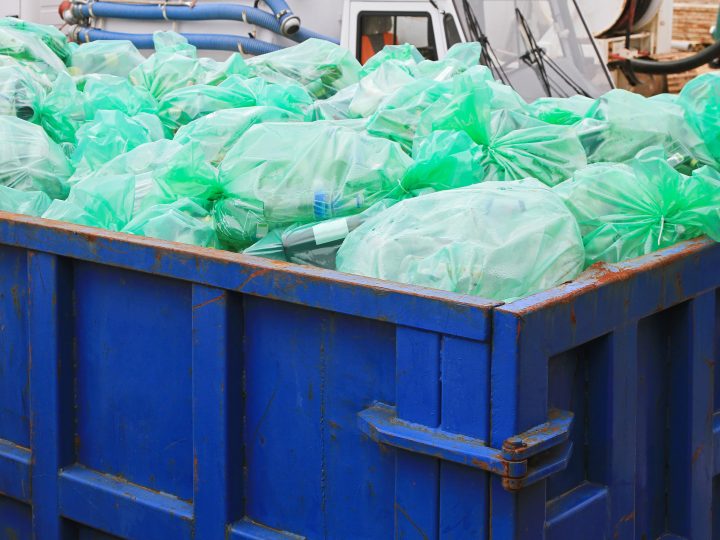
Extend replacement cycles from days to years

Support ESG and environmental reporting objectives

The Environmental Problem with Disposables

Traditional contamination control in IT spaces such as sticky mats, comes with serious environmental drawbacks:

01

Massive plastic waste

peel-away sheets generate daily landfill contributions.

02

Secondary contaminated waste

often requires incineration, producing harmful emission.

03

High carbon output

continuous manufacturing, packaging, and shipping of consumables drive up your facility’s footprint.

The Invisible Cost: the Energy Nobody and Everybody is Counting

Every particle tracked in on a shoe that isn’t captured at the door will keep moving through the facility until it has been removed from the facility. It becomes airborne. It settles on coils, heatsinks, and the surfaces your cooling system relies on to move heat. Fouled surfaces transfer heat less efficiently. Fans run harder, cooling works longer, and energy that should be doing compute is spent moving dirt-degraded heat.

That’s the carbon number you can’t see on an invoice, and in AI-dense facilities, the energy consumed by cooling systems over their operating life can represent a far larger environmental impact than disposable floor protection alone.

While Dycem doesn’t replace your air-side filtration. It works upstream of them where it is capturing floor-level particulate at the entry point, before foot traffic turns it into airborne load your mechanical systems have to chase. Fewer particles entering the white space means less burden on every system downstream.

This is also where the energy standards actually connect with sustainability.

Sustainability Through Lifecycle Thinking

Dycem solutions are reusable, long-lasting, and built for deployment in high-traffic transition zones without permanent installation. By replacing sticky mats with Dycem, data centers can:

Eliminate daily plastic waste

No more peeling and discarding multiple sheets per day.

Reduce CO₂ emissions

Fewer manufacturing and transport cycles for delivery and transportation to the landfill.

Support water and energy savings

Mats require minimal cleaning and maintenance.

Extend product lifecycle

Depending on the solution chosen, Dycem products deliver consistent, high-performance results for 12–18 months to 3–5 years before a replacement is needed.

Protects thermal performance

Captures up to 99.9% of floor-level contaminants at the door, before they reach sensitive equipment.

How Quickly Disposable Waste Adds Up

A facility with five entrances using peel-off mats generates significant plastic waste, depending on how often the mats are changed

Even under the least frequent replacement schedule, hundreds of plastic sheets are still manufactured, transported, and ultimately sent to landfill each year. This continuous replacement cycle is what reusable contamination control eliminates.

Rather than replacing thousands of disposable sheets, Dycem solutions remain in service for 18 months (Dycem LITE) or 3 to 5 years (permanent polymeric solutions), dramatically reducing waste and the environmental impact associated with repeated manufacturing, transport, and disposal.

Replacement Frequency Annual Waste Approx. Annual Waste
Manufacturer recommendation (3 peels/day) 24 x 30" 5,475 sheets 387 lb
Once per day 1,825 sheets 129 lb
Once per week 260 sheets 18 lb

The visible cost: disposable waste

Disposable sticky mats create an endless cycle of manufacturing, shipping, replacement, and landfill waste. In a continuous operation, the impact compounds fast and every part of it lands in your environmental reporting.

Replacing disposable mats with Dycem reusable contamination control reduces hundreds of product deliveries over the life of the system to a single installation, with replacement typically required only every 18 months for Dycem LITE or 3 to 5 years for permanent polymeric solutions.

For a facility operating five entry points, that can mean:

• A vast number of plastic sheets are sent to landfill every year
• Weekly freight cycles to keep those mats in stock
• Ongoing manufacturing emissions for replacement products
• A standing purchase order that grows with every zone you add.
• Recurring purchasing and inventory management

Dycem: Sustainability Without Compromise

Reusable solutions that dramatically reduce plastic waste

Long service life that minimizes replacement cycles

Reduced transportation and manufacturing emissions

Up to 99.9% capture of floor-level contaminants

Supports cleaner, more efficient cooling environments

Designed specifically for high-traffic, mission-critical facilities

Get Started Quickly

Contact the Dycem team today.

When contamination control is critical, quality matters. Dycem solutions are manufactured under ISO 9001 and ISO 14001 certified processes to ensure consistent performance and long-term reliability. Compliance with REACH and California Proposition 65 reflects our commitment to quality, safety and environmental responsibility.